Fluid-Management in Medizinprodukten: Was es bedeutet und warum es wichtig ist
Was bedeutet Fluid-Management?
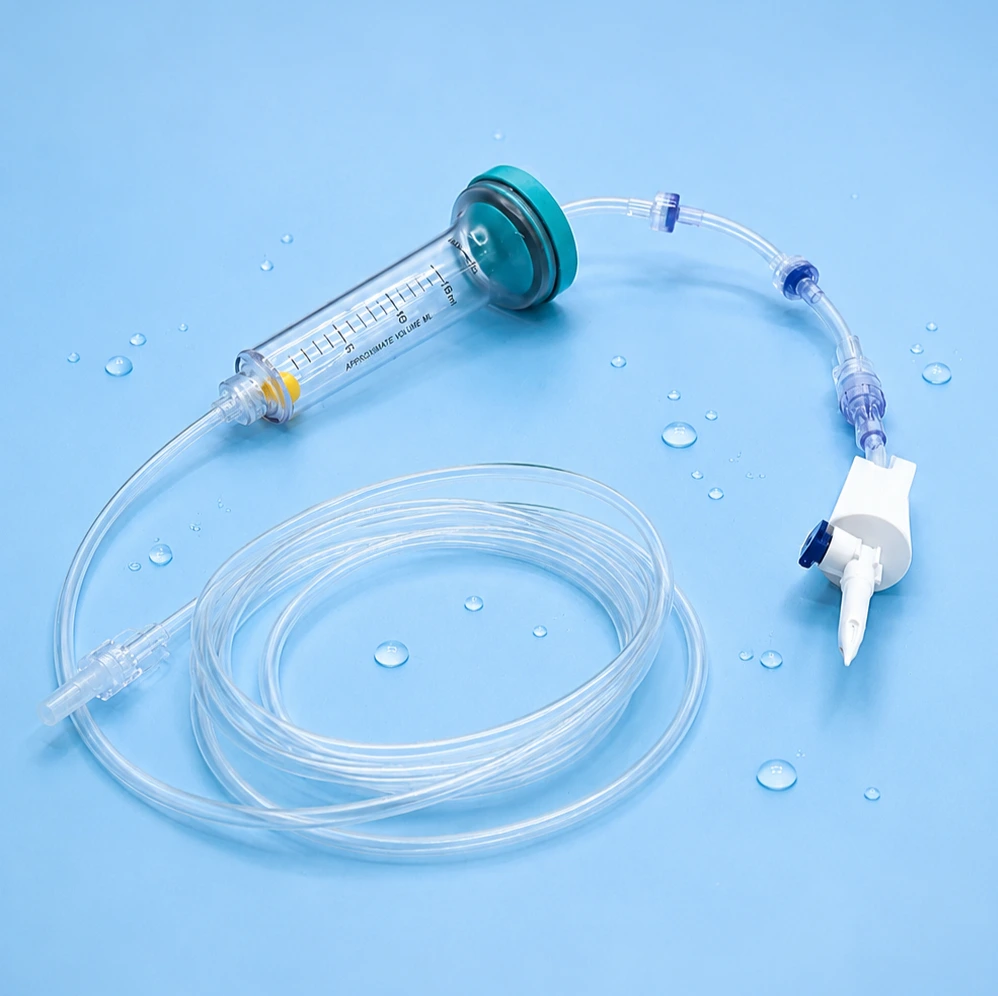
Fluid-Management in Medizinprodukten bezeichnet den kontrollierten Transfer, die Regulierung und Verbindung von Flüssigkeiten innerhalb eines medizinischen Systems. Ob in der Infusionstherapie, interventionellen Eingriffen, Drainage oder Laboranwendungen – ein zuverlässiges Fluid-Handling ist für Sicherheit, Konsistenz und klinische Leistung unverzichtbar.
Schlüsselkomponenten im System
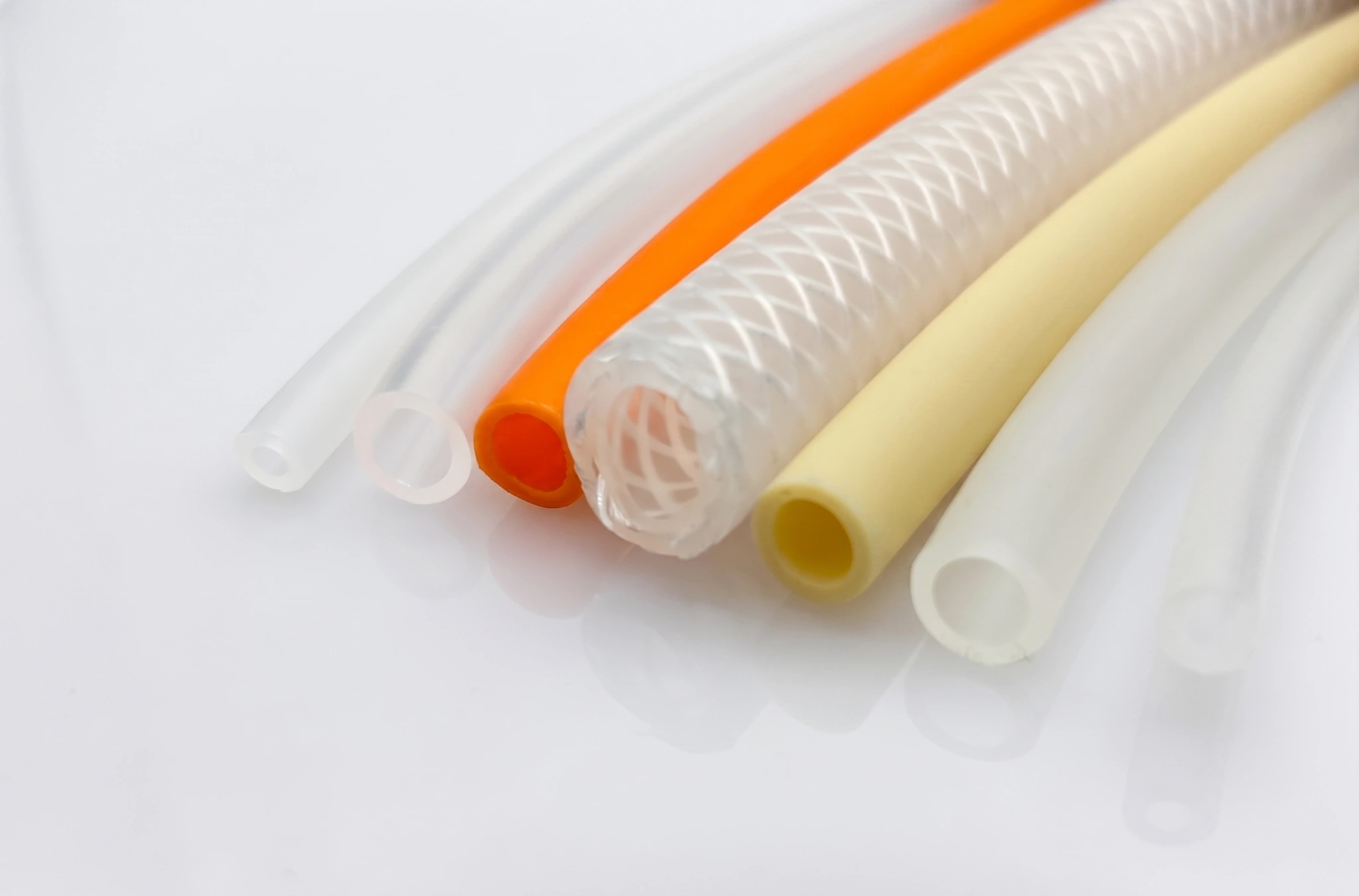
Ein Fluid-Management-System umfasst typischerweise Konnektoren, Schläuche, Verteiler, Ventile und zugehörige Zubehörteile. Jede dieser Komponenten spielt eine Rolle bei der Aufrechterhaltung der Flusssteuerung, Minimierung von Leckagerisiken und dem effizienten Betrieb in anspruchsvollen Gesundheitsumgebungen. Schlecht abgestimmte Komponenten können zu Handhabungsproblemen, Druckinstabilität oder unnötiger Komplexität führen.

Was ist bei der Komponentenauswahl wichtig?
Bei der Auswahl von Fluid-Management-Komponenten ist Kompatibilität eine der ersten Überlegungen. Materialien, Druckanforderungen, Verbindungstypen und anwendungsspezifische Anforderungen beeinflussen alle die Leistung. Hersteller suchen häufig nach Konnektoren, die sicher, einfach zu handhaben und für die Integration in breitere Flüssigkeitspfade geeignet sind.
Warum Systemdenken wichtig ist
Für OEMs und Medizinproduktehersteller geht es beim Fluid-Management nicht nur um einzelne Teile. Es geht darum, ein zuverlässiges System zu schaffen, das über die gesamte Anwendung hinweg konsistent funktioniert. Die Wahl des richtigen Lieferanten und der richtigen Komponentenkombination kann die Effizienz verbessern, Compliance-Ziele unterstützen und Risiken reduzieren.
Challenges in Medical Fluid Path Design
Designing an effective fluid management system involves balancing multiple technical, regulatory, and operational requirements.
Leakage Prevention
Leaks can compromise patient safety, product performance, and regulatory compliance.
Manufacturers must carefully evaluate connection methods, sealing technologies, and pressure requirements to minimize risk.
Pressure Management
Different medical applications operate under varying pressure conditions. Components must be selected to withstand expected operating pressures while maintaining consistent performance.
Material Compatibility
Fluid-contact materials must be compatible with the substances being transferred.
Factors to consider include:
- Chemical resistance
- Biocompatibility
- Extractables and leachables
- Sterilization compatibility
Sterility Requirements
Many medical applications require sterile fluid pathways. Components must support validated sterilization methods such as:
- Ethylene oxide (EtO)
- Gamma irradiation
- Steam sterilization
- Electron beam sterilization
Ease of Assembly
Simplified assembly processes can reduce manufacturing complexity and improve production efficiency.
Design teams often seek components that support reliable integration while minimizing assembly time and potential errors.
How OEMs Select Fluid Management Components
Selecting the right fluid management components requires evaluating both technical and commercial factors.
Key considerations include:
Application Requirements
The operating environment determines the necessary specifications for pressure, temperature, flow rate, and chemical compatibility.
Regulatory Documentation
OEMs increasingly require suppliers to provide documentation supporting regulatory submissions and quality management processes.
Supply Chain Reliability
Long-term component availability and supplier stability are critical considerations, particularly for devices with extended product lifecycles.
Customization Capabilities
In some cases, standard components may not fully meet application requirements.
Manufacturers often benefit from suppliers capable of supporting:
- Custom tubing assemblies
- Specialized connectors
- Integrated fluid management solutions
- Component sourcing assistance
Design Support
Early collaboration with experienced component suppliers can help streamline development, reduce risks, and accelerate time-to-market.
Why the Right Fluid Management Partner Matters
Developing a reliable medical device requires more than selecting individual components. It requires a comprehensive understanding of fluid pathways, application requirements, and regulatory expectations.
Working with an experienced fluid management partner can help OEMs identify suitable solutions, simplify sourcing activities, and improve overall system performance.
By leveraging access to a broad portfolio of medical-grade components and industry expertise, manufacturers can build fluid management systems that support safety, reliability, and long-term product success.
Conclusion
Fluid management is a foundational element of many medical devices and healthcare technologies. From connectors and tubing assemblies to manifolds, stopcocks, and check valves, each component plays a critical role in ensuring safe and effective fluid transfer.
As medical devices become increasingly sophisticated, the importance of robust fluid pathway design continues to grow. By carefully selecting high-quality components and collaborating with experienced partners, OEMs can improve device performance, support regulatory compliance, and enhance patient safety.

Ähnliche Beiträge