Fluid Management in Medical Devices: what it Means and why it Matters
What is Fluid Management in Medical Devices?
Fluid management refers to the controlled transport, distribution, regulation, and monitoring of liquids or gases within a medical device or healthcare system.
A fluid management system typically consists of interconnected components that enable fluids to move safely from one point to another while maintaining sterility, pressure control, and flow accuracy.
Examples include:
- Infusion systems delivering medication to patients
- Dialysis equipment regulating blood and fluid flow
- Diagnostic instruments handling reagents and samples
- Bioprocessing systems transferring media and biological materials
- Interventional devices used in cardiology and radiology
The effectiveness of a medical device often depends on the reliability of its fluid pathway and the quality of the components used.
Why Fluid Management Matters
Patient Safety
In many clinical applications, even small deviations in flow rate, pressure, or fluid delivery can impact patient outcomes. High-quality fluid management components help minimize risks such as leakage, contamination, or unintended flow interruptions.
Device Performance
Consistent fluid control contributes directly to device accuracy and operational reliability. Poorly designed fluid pathways can lead to pressure losses, air entrapment, inconsistent dosing, or system failure.
Regulatory Compliance
Medical device manufacturers must meet stringent regulatory requirements regarding material compatibility, biocompatibility, sterilization, and quality documentation. Selecting compliant fluid management components supports smoother product development and regulatory approval processes.

Key Components of a Medical Fluid Management System
A medical fluid management system is made up of multiple interconnected components, each serving a specific function within the fluid pathway.
Medical Connectors
Connectors establish secure interfaces between tubing, devices, and other fluid-handling components. They enable quick assembly while maintaining leak-free connections.
Medical connectors are used across a wide range of applications, including infusion therapy, diagnostics, laboratory equipment, and bioprocessing systems.
Luer Lock Connectors
Luer Lock connectors are among the most widely used connection standards in healthcare. Their threaded locking mechanism provides a secure connection that reduces the risk of accidental disconnection.
Common applications include:
- Syringes
- IV systems
- Catheters
- Drug delivery devices
- Diagnostic equipment
Their universal compatibility makes them an essential component in many medical fluid management systems.
Tubing and Tubing Assemblies
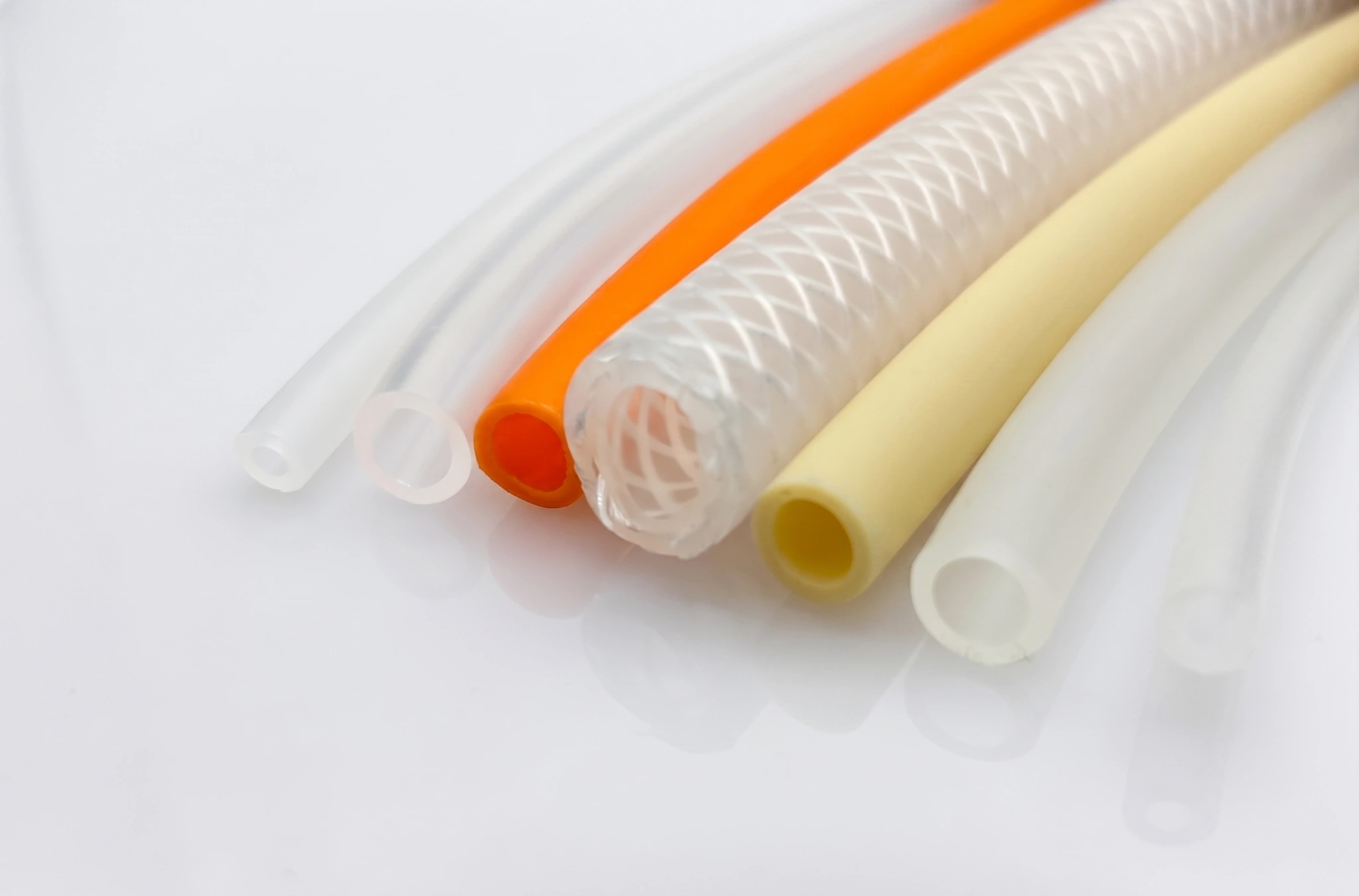
Medical tubing forms the primary pathway for fluid transport. Depending on the application, tubing materials must withstand specific pressures, temperatures, sterilization methods, and chemical exposures.
Custom tubing assemblies can simplify device integration while reducing assembly complexity for OEM manufacturers.
Manifolds
Manifolds distribute fluids between multiple channels or destinations within a system. They are commonly used when several fluid paths must be managed simultaneously.
Benefits include:
- Reduced component count
- Simplified fluid routing
- Improved system organization
- Enhanced process efficiency
Stopcocks
Stopcocks allow healthcare professionals and equipment operators to manually control fluid flow between different pathways.
They are frequently found in:
- Infusion therapy systems
- Pressure monitoring applications
- Critical care environments
- Interventional procedures
Multi-port stopcocks enable greater flexibility when managing multiple fluid lines.
Check Valves
Check valves permit fluid flow in one direction while preventing backflow.
They are particularly important in applications where contamination prevention, pressure control, or patient safety are critical requirements.
Typical use cases include:
- Infusion systems
- Drug delivery devices
- Laboratory instruments
- Diagnostic equipment
Common Applications of Fluid Management Systems
Fluid management technologies support a broad range of medical and life science applications.
Infusion Therapy
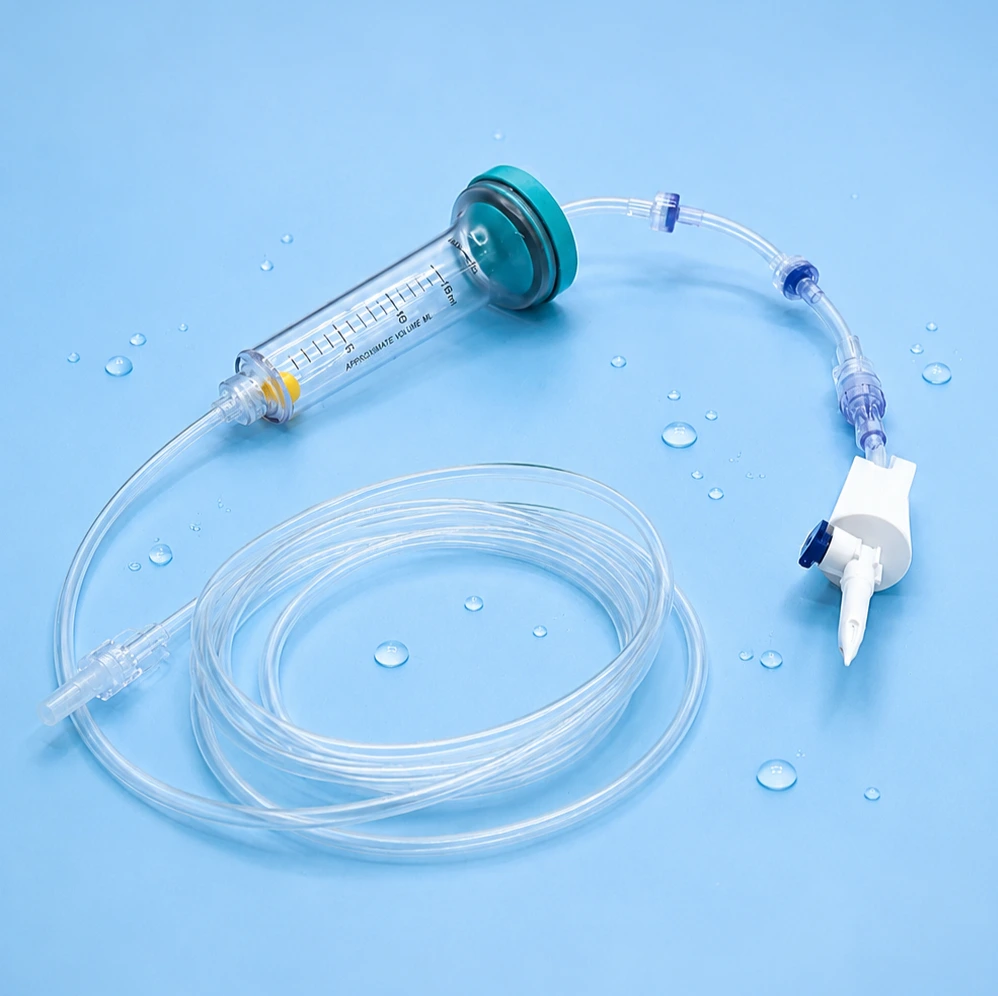
Infusion systems rely on precise fluid delivery to administer medications, nutrients, and therapeutic agents.
Components such as connectors, tubing, stopcocks, and check valves work together to ensure accurate and safe delivery.
Interventional Cardiology
Cardiovascular procedures often require complex fluid pathways for contrast media delivery, pressure monitoring, and catheter-based interventions.
Reliable fluid management components help clinicians maintain procedural efficiency while reducing risks.
Diagnostic Equipment
Diagnostic analyzers depend on accurate fluid handling to process samples, reagents, and waste streams.
The performance of these instruments is heavily influenced by the design and reliability of their fluid pathways.
Bioprocessing and Life Sciences
Biopharmaceutical manufacturing environments require sterile and contamination-free fluid transfer systems.
Single-use fluid management solutions have become increasingly important in supporting flexible and scalable production processes.
Radiopharmaceutical Applications
Radiopharmaceutical production and delivery demand highly controlled fluid pathways that support safety, precision, and regulatory compliance.
Specialized connectors and fluid transfer components play an important role in these environments.
Challenges in Medical Fluid Path Design
Designing an effective fluid management system involves balancing multiple technical, regulatory, and operational requirements.
Leakage Prevention
Leaks can compromise patient safety, product performance, and regulatory compliance.
Manufacturers must carefully evaluate connection methods, sealing technologies, and pressure requirements to minimize risk.
Pressure Management
Different medical applications operate under varying pressure conditions. Components must be selected to withstand expected operating pressures while maintaining consistent performance.
Material Compatibility
Fluid-contact materials must be compatible with the substances being transferred.
Factors to consider include:
- Chemical resistance
- Biocompatibility
- Extractables and leachables
- Sterilization compatibility
Sterility Requirements
Many medical applications require sterile fluid pathways. Components must support validated sterilization methods such as:
- Ethylene oxide (EtO)
- Gamma irradiation
- Steam sterilization
- Electron beam sterilization
Ease of Assembly
Simplified assembly processes can reduce manufacturing complexity and improve production efficiency.
Design teams often seek components that support reliable integration while minimizing assembly time and potential errors.
How OEMs Select Fluid Management Components
Selecting the right fluid management components requires evaluating both technical and commercial factors.
Key considerations include:
Application Requirements
The operating environment determines the necessary specifications for pressure, temperature, flow rate, and chemical compatibility.
Regulatory Documentation
OEMs increasingly require suppliers to provide documentation supporting regulatory submissions and quality management processes.
Supply Chain Reliability
Long-term component availability and supplier stability are critical considerations, particularly for devices with extended product lifecycles.
Customization Capabilities
In some cases, standard components may not fully meet application requirements.
Manufacturers often benefit from suppliers capable of supporting:
- Custom tubing assemblies
- Specialized connectors
- Integrated fluid management solutions
- Component sourcing assistance
Design Support
Early collaboration with experienced component suppliers can help streamline development, reduce risks, and accelerate time-to-market.
Why the Right Fluid Management Partner Matters
Developing a reliable medical device requires more than selecting individual components. It requires a comprehensive understanding of fluid pathways, application requirements, and regulatory expectations.
Working with an experienced fluid management partner can help OEMs identify suitable solutions, simplify sourcing activities, and improve overall system performance.
By leveraging access to a broad portfolio of medical-grade components and industry expertise, manufacturers can build fluid management systems that support safety, reliability, and long-term product success.
Conclusion
Fluid management is a foundational element of many medical devices and healthcare technologies. From connectors and tubing assemblies to manifolds, stopcocks, and check valves, each component plays a critical role in ensuring safe and effective fluid transfer.
As medical devices become increasingly sophisticated, the importance of robust fluid pathway design continues to grow. By carefully selecting high-quality components and collaborating with experienced partners, OEMs can improve device performance, support regulatory compliance, and enhance patient safety.

Related Posts