Luer Lock: Secure & Reliable Medical Connector Systems
MedNet provides Luer Lock products that comply with international standards and offer broad compatibility across applications. All components are designed for safety, with a secure locking mechanism and reliable leak prevention. Customers can choose from a wide material portfolio, including plastics, metals, and specialty polymers. MedNet’s complete product range includes syringes, needles, adapters, high-pressure lines, and valves. In addition, technical support is available for product matching, custom solutions, and detailed technical data.
Definition, Standardisation & Function
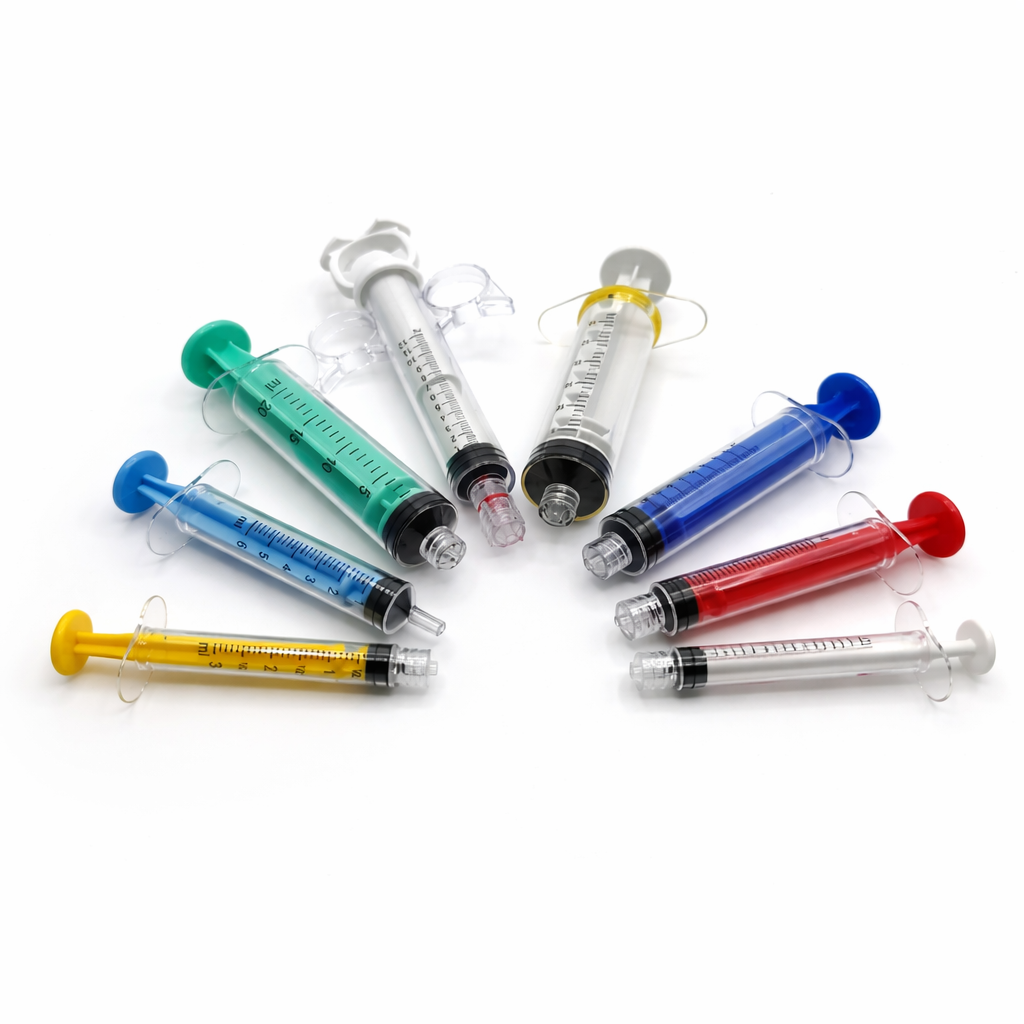
A luer lock connector is a standardized medical connector used to connect syringes, tubing systems, stopcocks, valves, needles and other medical components. Unlike a simple slip connection, a luer lock connection uses a threaded locking mechanism. This helps create a more secure connection and reduces the risk of accidental disconnection during use.
Luer connectors are commonly used in applications where reliable fluid transfer is required, including:
- Infusion systems
- Drug delivery devices
- Diagnostic systems
- Catheters and extension lines
- Stopcocks and manifolds
- Laboratory and sampling systems
- Medical tubing assemblies
Because of their broad use in healthcare, luer fittings are an important component category for many medical device manufacturers.
Luer Lock vs. Luer Slip: What is the Difference?
The main difference between luer lock and luer slip connectors is the connection mechanism.
A luer slip connector is pushed into place and relies on friction. It is often used in applications where a simple, quick connection is sufficient. A luer lock connector, on the other hand, includes a threaded locking function. This provides additional connection security and is often preferred when a stronger or more stable connection is required.
For medical applications where movement, pressure or handling may affect the connection, luer lock fittings can provide an additional level of reliability.
Typical Applications of Luer Fittings in Medical Devices
Luer fittings are used across a wide range of medical and pharmaceutical applications. Their versatility makes them suitable for both simple and complex fluid handling systems.
Infusion and IV Systems
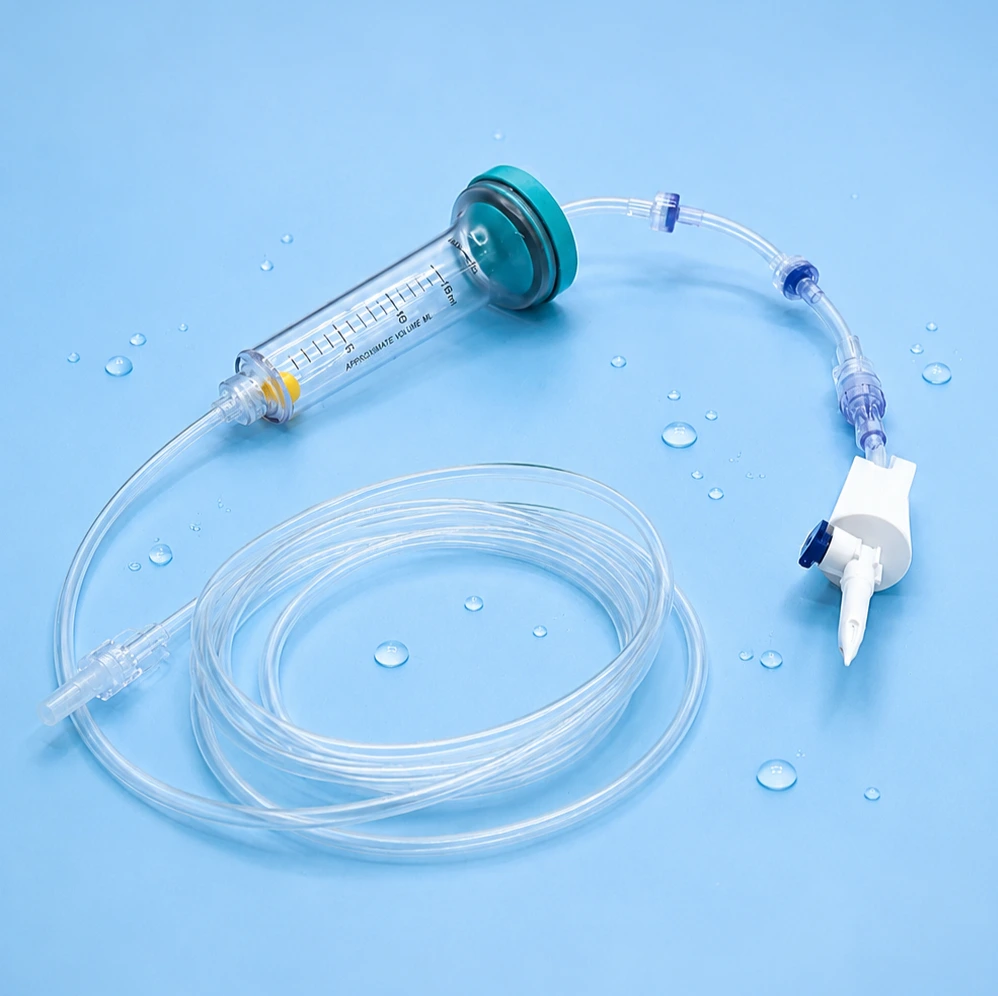
In infusion therapy, luer connectors are commonly used to connect syringes, IV lines, stopcocks, extension lines and access points. Secure connections are essential to support controlled fluid delivery and reduce the risk of leakage or disconnection.
Diagnostic and Laboratory Applications
Luer fittings are also used in diagnostic systems, sample handling and laboratory workflows. They enable flexible connections between tubing, syringes, valves and analytical devices.
Catheter and Interventional Systems
In catheter-based procedures, luer lock connectors are often used together with stopcocks, manifolds, introducers and extension lines. Here, connection security and handling efficiency are critical.
Medical Device Manufacturing
For OEMs and contract manufacturers, luer connectors are frequently integrated into custom assemblies, tubing systems and device platforms. This requires careful selection of materials, dimensions, compatibility and documentation.
Key Selection Criteria for Medical Luer Connectors
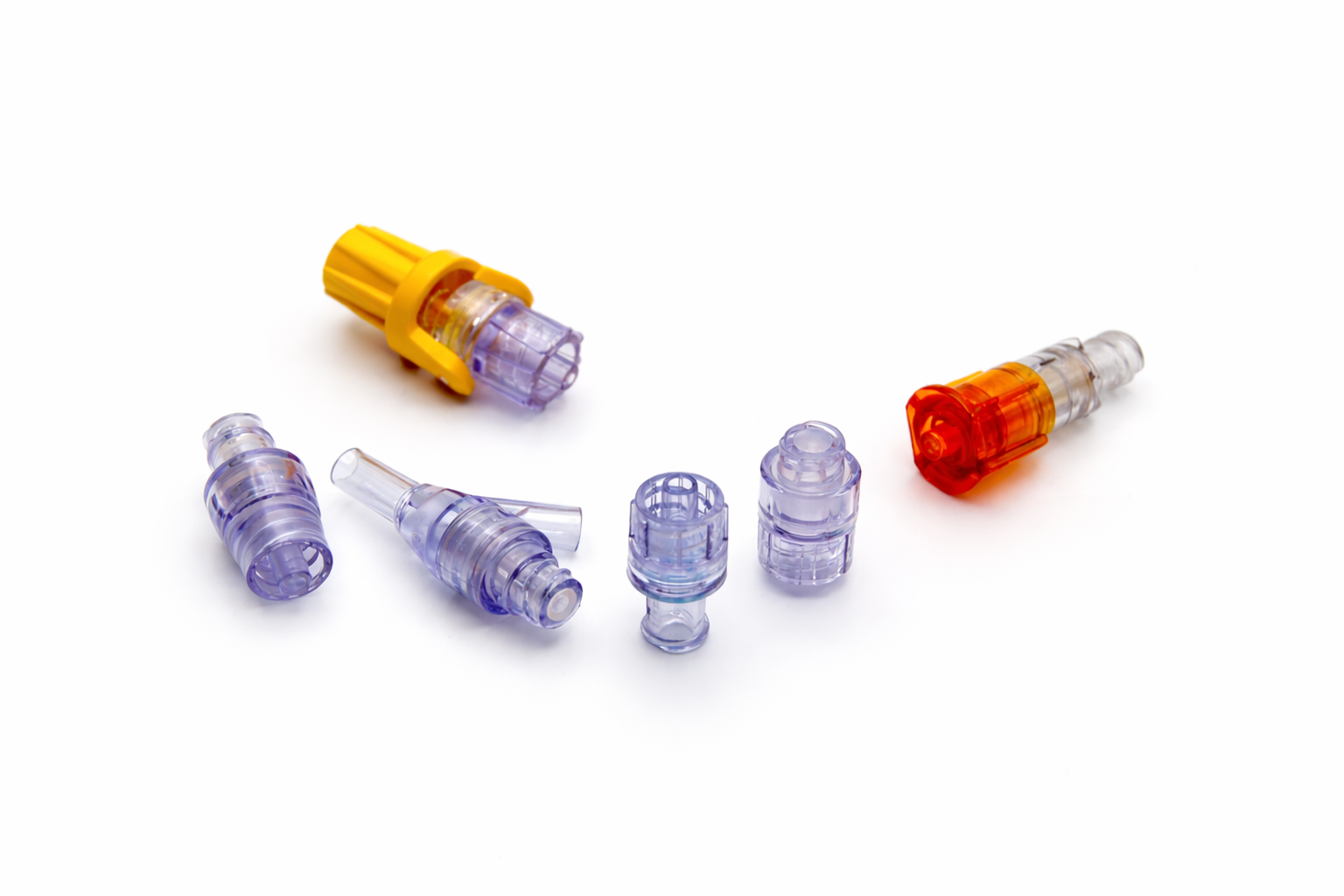
Selecting the right luer fitting depends on the specific application and technical requirements of the medical device.
Important criteria include:
- Material compatibility
- Connection type: male, female, luer lock or luer slip
- Pressure requirements
- Sterilization compatibility
- Fluid path requirements
- Biocompatibility documentation
- Regulatory documentation
- Integration into tubing systems or assemblies
- Ease of use for healthcare professionals
In regulated medical environments, it is important to evaluate not only the component itself but also how it performs within the complete system.
Why Material Selection Matters
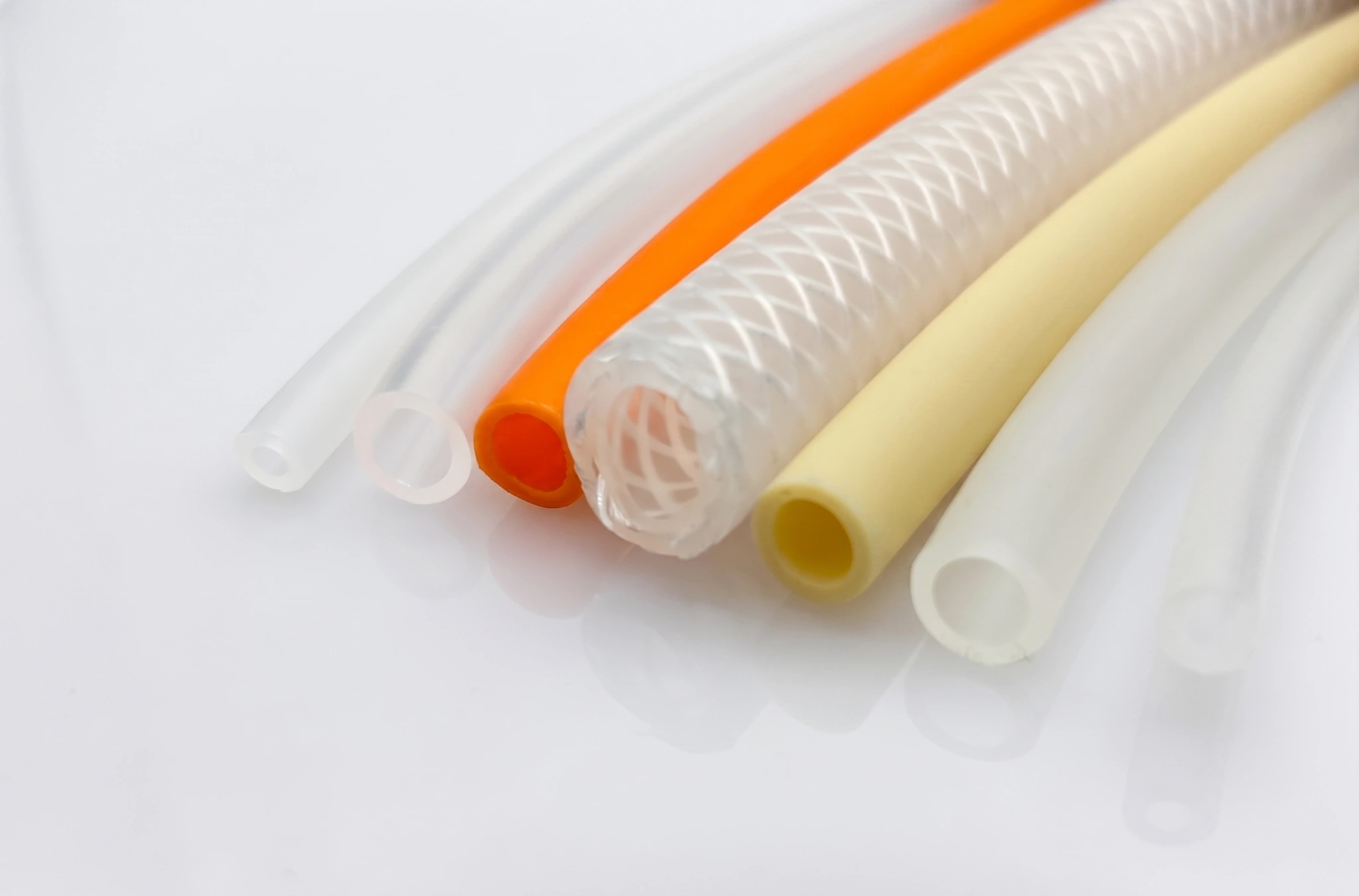
Luer connectors are available in different medical-grade materials depending on the intended use. Material selection can affect chemical resistance, transparency, mechanical strength, sterilization compatibility and overall device performance.
For example, some applications require transparent materials to allow visual fluid monitoring. Others may require specific resistance to chemicals, pressure or repeated handling.
Medical device manufacturers should therefore review both technical and regulatory requirements before selecting a luer fitting.
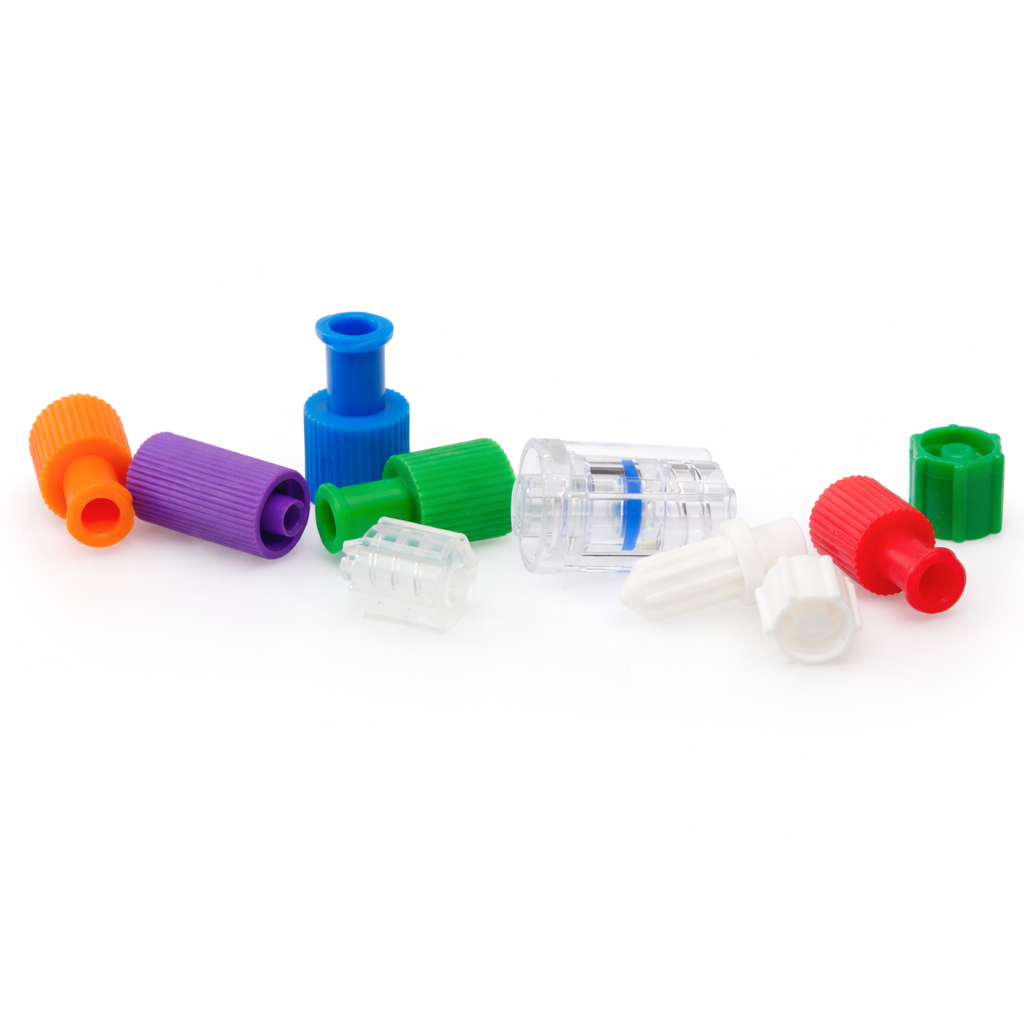
Luer Connectors as Part of a Larger Fluid Management System
A luer lock connector is rarely used as a standalone component. In most applications, it is part of a larger fluid management system that may include:
- Tubing
- Stopcocks
- Valves
- Manifolds
- Syringes
- Needles
- Clamps
- Extension lines
- Quick connectors
This makes system compatibility especially important. The connector must fit mechanically, function reliably and support the intended workflow.
At MedNet, we support medical technology and pharmaceutical companies with a broad portfolio of medical components and application know-how. Our goal is to help customers find components that match their technical, regulatory and project-specific requirements.
1. What makes a Luer Lock system standard?
Standardisation according to ISO 80369-7 defines dimensions and locking mechanisms, ensuring that components from different manufacturers fit together safely.
2. Are male and female Luer Lock parts interchangeable between brands?
Yes, as long as both comply with ISO standards, they are generally compatible. However, quality differences may affect performance.
3. What thread types are common?
Most Luer Lock connectors use standardised metric or UNF threads defined in ISO specifications.
4. How much pressure can a Luer Lock connection handle?
Typical applications allow pressures up to several hundred psi, depending on material and design. High-pressure versions are specifically designed for interventional use.
5. Which sterilisation methods are safe?
Depending on the material, Luer Lock components can be sterilised using steam autoclaving, ethylene oxide, or gamma irradiation. Always check manufacturer recommendations.
Conclusion: Small Component, Critical Function
Luer lock connectors may seem like small standard components, but they play a critical role in medical fluid handling. A secure and reliable connection can contribute to usability, safety and overall device performance.
For OEMs, contract manufacturers and medical device developers, the right luer fitting should be selected based on the complete application, not only the individual component.
Explore our range of luer lock connectors, luer fittings and related medical components in the MedNet Product Finder.

Related Posts