Sustainability in Action: MedNet Takes Meaningful Steps Toward Climate Protection
Our Corporate Carbon Footprint
Sustainability is an ongoing process at MedNet. As an internationally active company, we are aware of our responsibility towards our customers, our partners and the environment. For this reason, we had our Corporate Carbon Footprint, or CCF, calculated for 2024 and made a voluntary climate contribution.
The “Climate Contribution” certificate confirms that 409 tons of CO₂ were calculated for MedNet GmbH CCF 2024 according to the Greenhouse Gas Protocol Standard. The calculation includes emissions from Scope 1, Scope 2 and Scope 3. Based on this amount, MedNet acquired certificates in climate protection projects corresponding to the calculated CO₂ volume. The issuance and retirement of these certificates are registered transparently.
With this voluntary contribution, MedNet supports selected certified climate protection projects that not only contribute to reducing greenhouse gas emissions, but also create social and economic benefits. The supported projects are linked to several United Nations Sustainable Development Goals, including no poverty, affordable and clean energy, decent work and economic growth, and climate action.
Supporting Improved Cooking Practices in Nigeria
Part of the contribution supports the “TOYOLA Promoting Improved Cooking Practices” project in Nigeria. The project focuses on manufacturing and distributing efficient charcoal cookstoves that replace less efficient traditional stoves and open fires used in many households.
The use of more efficient cookstoves can help reduce fuel consumption, lower greenhouse gas emissions and decrease indoor smoke exposure. Especially in lower-income households, this can have a positive impact on health and quality of life.

Renewable Energy from Biomass in India
Another supported project is located in Andhra Pradesh, India. There, poultry litter that was previously disposed of in landfill pits or open fields is used to generate energy. By converting this biomass into renewable electricity, the project feeds power back into the regional grid.
The project helps replace electricity from fossil sources while also avoiding methane emissions that can occur when organic waste decomposes. In addition, collecting and using the waste improves local sanitation and creates employment opportunities in the region.
Solar Energy for Maharashtra
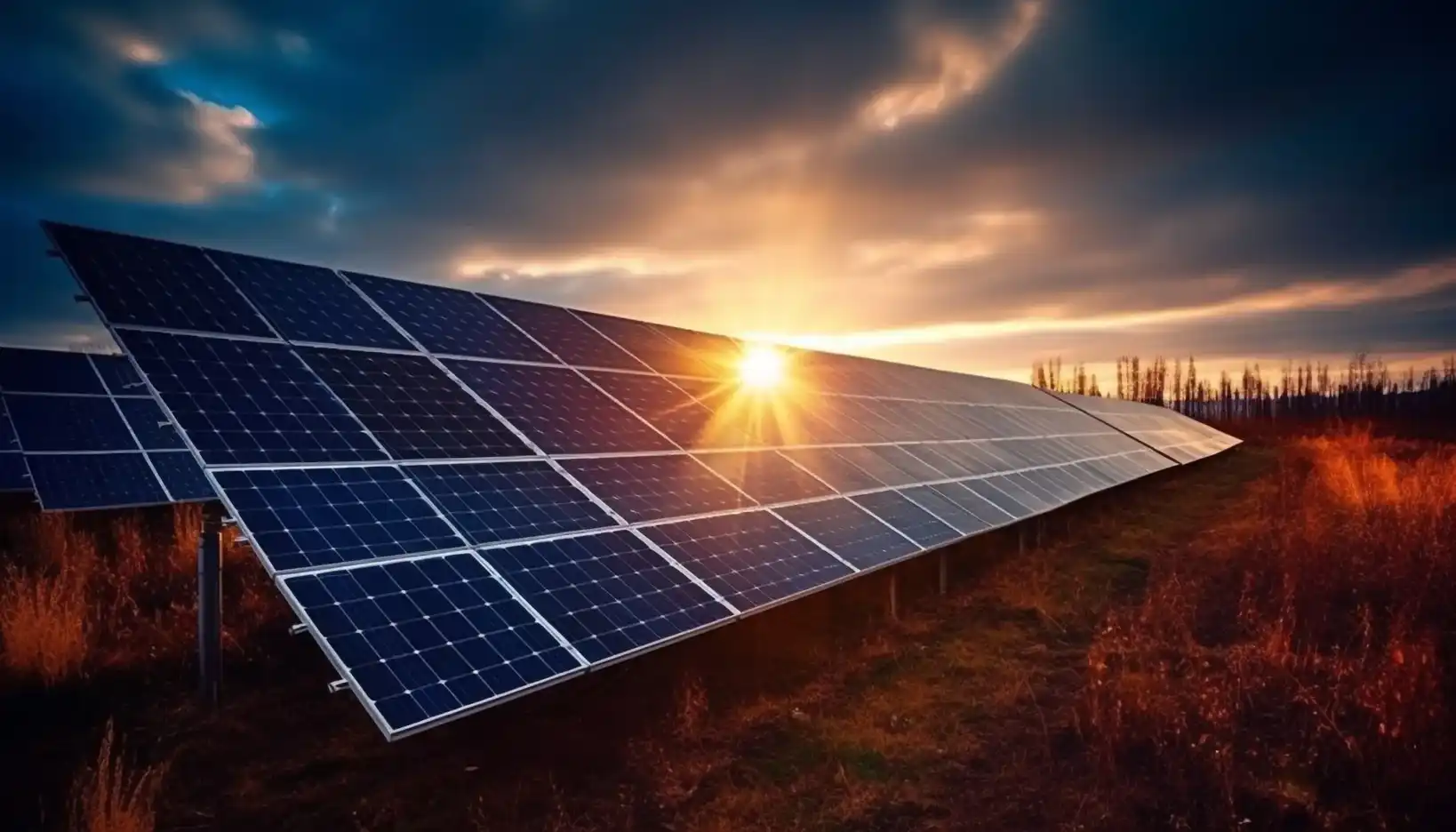
MedNet also supports a photovoltaic power project in Maharashtra, India. The solar power plant has an installed capacity of 100 MW. The electricity generated by the project is exported to the Indian power grid and replaces part of the electricity that would otherwise be generated from fossil fuel-based sources.
The project demonstrates how the expansion of renewable energy can contribute to the long-term transformation of energy supply.
Our Contribution to Greater Responsibility
This voluntary climate contribution is another step on our path towards greater transparency and responsibility. For MedNet, sustainability means more than implementing individual measures. It also means increasingly considering environmental aspects in business decisions.
By supporting certified climate protection projects, we contribute to the reduction of greenhouse gas emissions and to the promotion of sustainable development. At the same time, we see this as an incentive to continue reviewing our own processes and identifying opportunities for improvement.
Sustainability remains a shared journey, and we want to do our part.

Related Posts