Flexibility is Becoming a Prerequisite
Supply shortages, new EU regulations and increasing demands in patient care: the medical technology sector is under pressure. Heiko Laudor explains how companies are responding to this and why flexibility is becoming a decisive factor.
Mr Laudor, what changes are currently having a particularly significant impact on the medical technology sector?
We are seeing a marked increase in the number of requirements. Regulatory requirements are becoming more complex, supply chains more vulnerable, and at the same time there is a growing need for customised solutions. Companies must develop products more quickly whilst ensuring the highest quality standards. This presents many with structural challenges.
What role does flexibility play in this context?
A central one. Today, flexibility means not only being able to react quickly but also taking the entire product lifecycle into account—from development and the selection of suitable materials through to production and long-term supply security. For us, flexibility is not an add-on, but the foundation of every partnership. Our customers expect solutions that adapt to their processes and can be further developed as needed.

Where is this evident in practice?
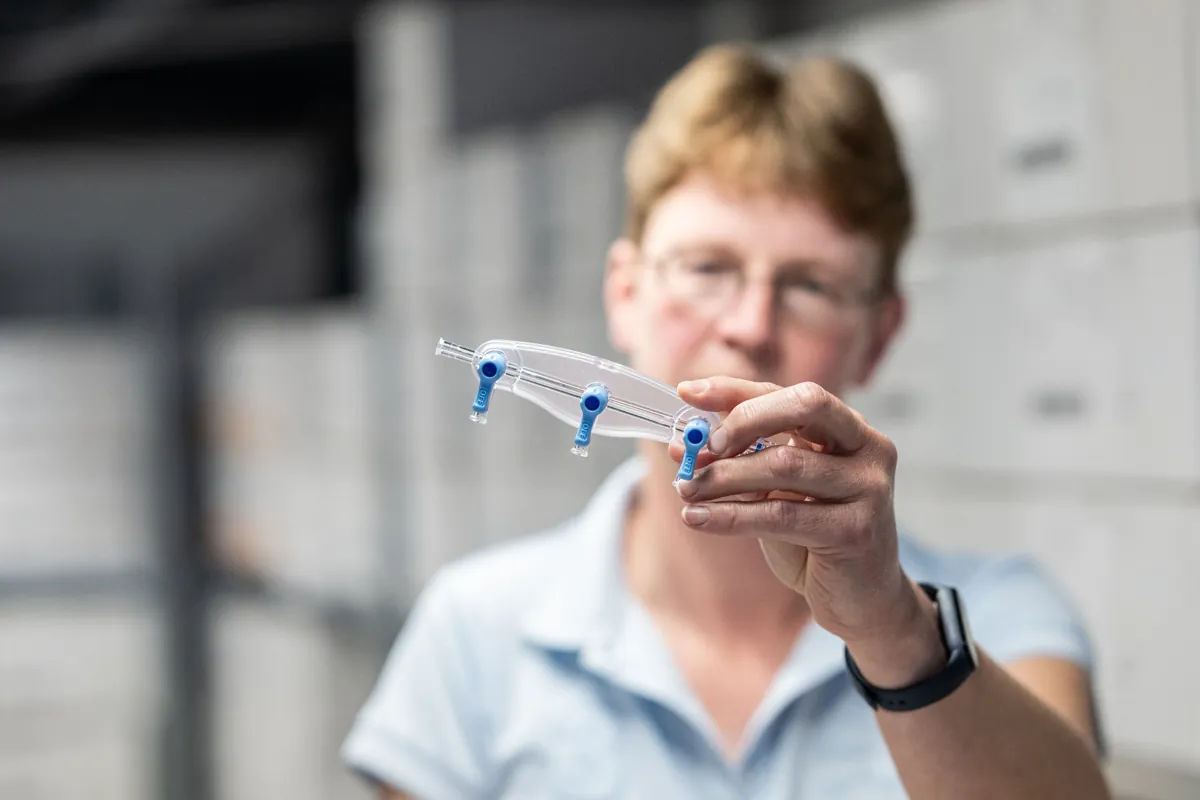
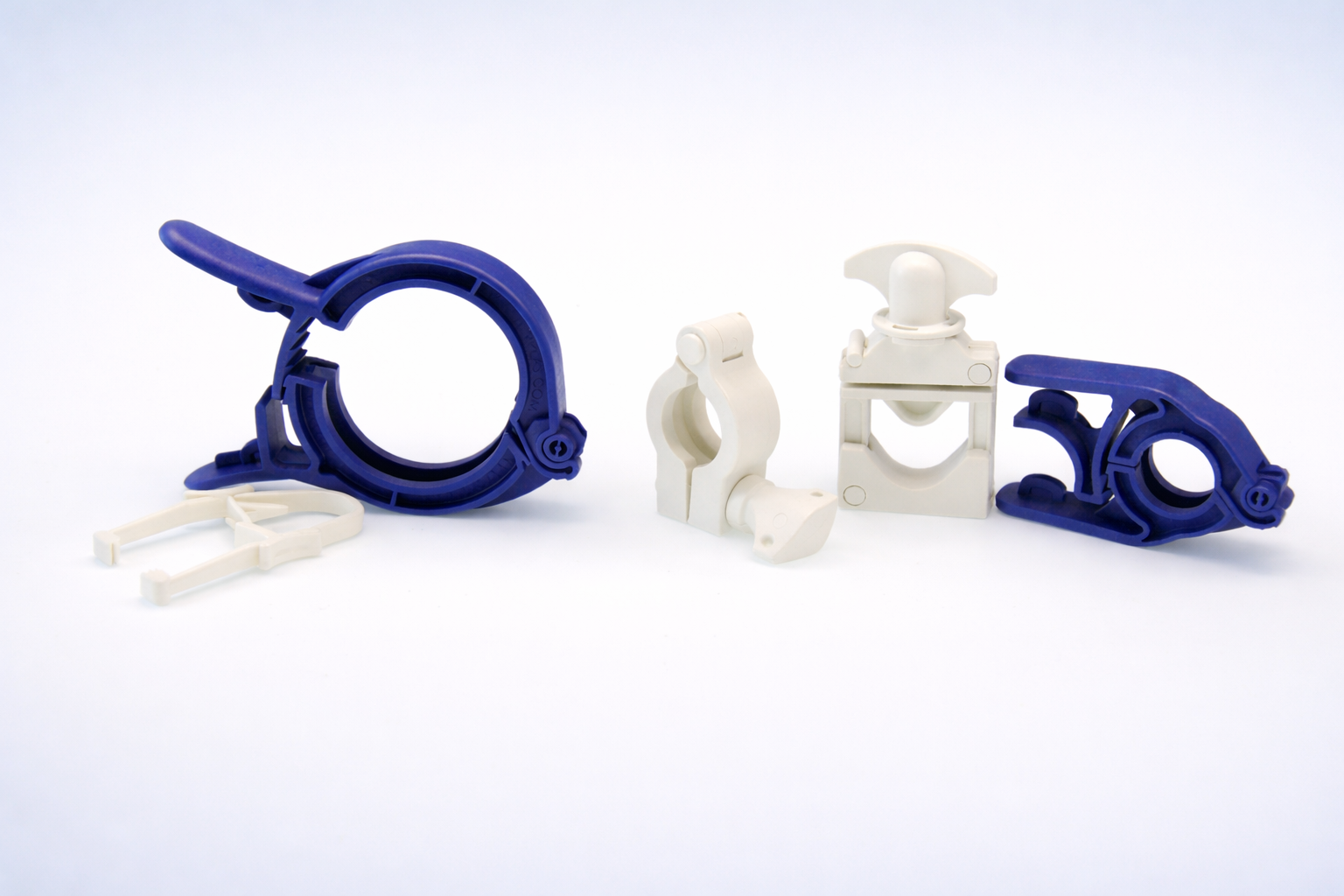
Primarily in customised solutions. Standard components remain important, but the demand for bespoke approaches is growing significantly. In our connectors division, for example, around half of all projects are now custom-designed. Particularly in sensitive areas such as interventional cardiology or fluid management, precisely tailored solutions are crucial for safety, efficiency and user-friendliness.
What challenges do regulation and supply chains present?
Both have become noticeably more challenging. Today, companies need supply chains that are stable yet adaptable, as well as reliable international partner networks. At the same time, regulatory processes in Europe are taking significantly longer than before due to the MDR. Whilst approvals used to be possible within a few months, we are now often talking about two years or more. By comparison, FDA approval in the US is often quicker, which further increases competitive pressure.
How do you tackle this complexity?
By getting involved at an early stage. Our quality management team supports projects from the outset and ensures that regulatory requirements are incorporated. This helps to reduce risks, streamline processes and avoid delays. Our aim is to simplify matters for our clients and give them planning certainty.
Your outlook for the future?
Flexibility is no longer just a trend, but a prerequisite. Those who bring together the technical, regulatory and logistical aspects of medical technology and integrate them at an early stage create genuine freedom of action—and will be successful in the long term.

Related Posts