Infusion Line Connectors
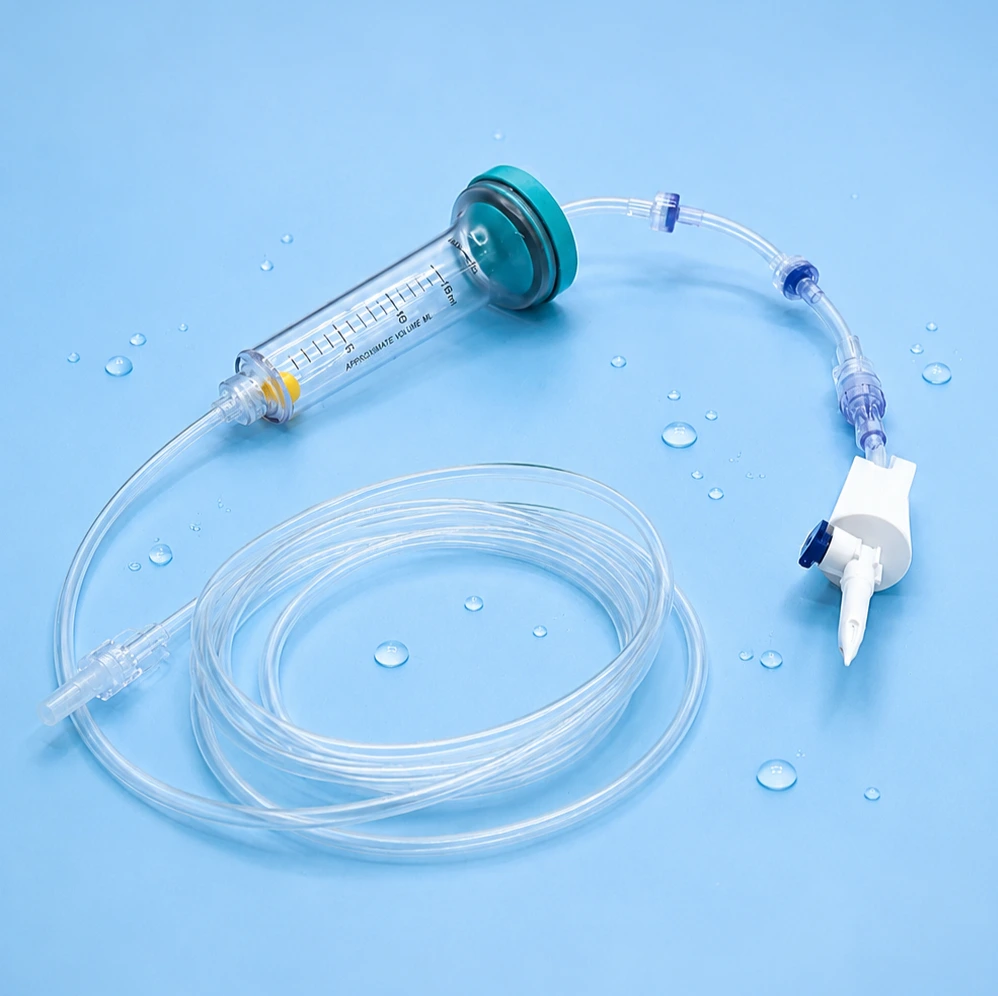
Selecting components for infusion therapy applications requires more than matching part numbers. One of the most common mistakes is evaluating components individually rather than as part of a complete system. A connector may perform well on its own, but if it does not fit the tubing, pressure profile, or intended workflow, it can create unnecessary risk later on.
Another frequent issue is overlooking handling and usability. Components in infusion systems need to support efficient assembly and intuitive use, especially when they are integrated into larger sets or custom device concepts. If the product is difficult to connect, disconnect, or operate, performance in practice may suffer even if technical specifications appear acceptable on paper.

Manufacturers should also avoid underestimating material compatibility and pressure requirements. Infusion lines, filters, and connectors need to be selected with the intended media, sterilisation approach, and application environment in mind. Decisions made too late in development often lead to redesigns, delays, or sourcing complications.
Best practice starts with a system-level view. Define the application clearly, verify compatibility early, and work with suppliers who understand medical fluid pathways. This approach improves consistency, reduces friction in development, and helps create infusion solutions that are reliable from design through delivery.

Related Posts